Safety of JE vaccine

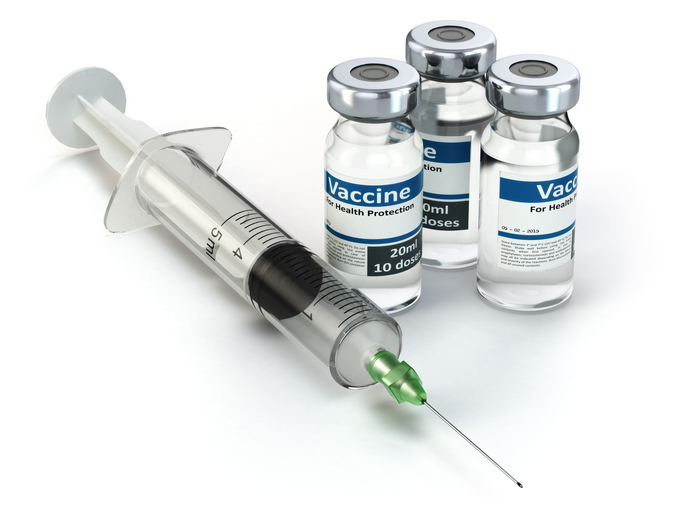
Previously, an inactivated mouse brain-derived vaccine  is the only JE vaccine that available and widely used especially in Asia. Many Asian countries including Thailand  put JE vaccine into our routine immunization program for our children. Since it is a mouse brain derived vaccine, some authorities concern about its safety. However after widely used in many countries in Asia, many reports show that the risk to develop serious side-effects or serious allergic reaction from the vaccine is very rare.

However, now several new JE vaccines are available in the market.

1. New Live attenuated SA-14-14-2 JE vaccine (CD JEvax). This is the main JE vaccine that we give to travelers in our travel clinic. It is made from China and has been use in many countries in Asia since 2006. Many millions children in Asia has received this vaccine. Its safety profile is very good. Serious side effect is rare. For travelers, single dose of lived JE vaccine gives good protection for at least a year. This vaccine is not available in the US or Europe.

Since this is a live vaccine, so we could not give this vaccine to a pregnant women, people with deficiency in immune system or people who are on immunosuppressive drug.

You can read more information about its safety on WHO official website via this link: Safety issue of live attenuated SA-14-12-2 JE vaccine

2.Inactivated Vero Cell Culture-Derived JE Vaccine (IXIARO). This new vaccine is licensed and available in the US and in European countries. It requires two doses in the interval of 4 weeks apart. Its safety profile is very good. Currently it is licensed to use in the adult more than 17 years of age only. And it is not available in our travel clinic.

Please refer to these articles for more information about Japanese encephalitis and its risk

General information of Japanese Encephalitis
Should I get JE vaccine for traveling in Southeast Asia (1)?
Should I get JE vaccine for traveling in Southeast Asia (2)?

นักท่องเที่ยวกับความแตกต่างทางวัฒนธรรม (1)

เวลาเราไปเที่ยวต่างประเทศ เคยสังเกตไหมครับว่า บ้านเมืองและผู้คนในประเทศต่างๆที่เราไปเที่ยวนั้นมีความแตกต่างกัน และต่างจากบ้านเรา  สิ่งที่เห็นได้ชัดที่สุดเลยคือภาษา แต่ละประเทศจะใช้ภาษาต่างกันไป และไม่ใช่ภาษาไทยเหมือนเราแน่นอน นอกจากภาษาแล้ว ผู้คน เชื้อชาติ เผ่าพันธุ์ ความเป็นอยู่ ฯลฯ ก็มีความแตกต่างกันไป เหล่านี้เราอาจเรียกรวมๆกันว่ามีความแตกต่างทางวัฒนธรรม

ความแตกต่างนี้จะมีมากน้อยขึ้นอยู่กับปัจจัยหลายๆอย่าง ไม่ว่าจะเป็นอิทธิพลของศาสนาที่นับถือ ความใกล้เคียงกันของประเทศ ฯลฯ อย่างในกลุ่มประเทศเพื่อนบ้านของเรา และนับถือศาสนาพุทธเหมือนกัน เราจะมีความเหมือนกันอยู่หลายๆอย่าง เช่นเวลาเราไปเที่ยวประเทศลาว ประเทศพม่า กัมพูชา เราจะเห็นวัด พระพุทธรูป และเจดีย์เหมือนๆกัน แต่ศิลปะในสร้างอาจแตกต่างกันไป และพวกเราจะมีความเชื่อคล้ายๆกันเช่น มีการกราบไหว้พระพุทธรูป ไม่ชี้ขาไปยังพระพุทธรูป

แต่ถ้าเราไปยังประเทศที่นับถือศาสนาอิสลามเป็นหลัก อย่างประเทศในแถบตะวันออกกลาง เราจะเห็นความแตกต่างที่ชัดเจนมาก นอกจากอิทธิพลทางศาสนาแล้วยังมีหลายๆสิ่งหลายๆอย่างที่ทำให้พวกเราแตกต่าง กันไป มีความเชื่อ ค่านิยมและความประพฤติต่างกัน สิ่งที่เราเห็นว่าดี ว่าเหมาะสม ว่าถูกต้อง อาจจะเป็นสิ่งที่ไม่ดี ไม่เหมาะสมหรือไม่ถูกต้องในวัฒนธรรมอื่นก็ได้

เมื่อ 2-3 ปีก่อน ผมจำได้ว่ามีป้ายโฆษณาของธนาคาร HSBC ที่ผมเห็นแล้วชอบมาก และชอบดูเสมอเวลาเดินทาง ซึ่งป้ายนี้มักจะติดที่ gate เวลาจะขึ้นเครื่องบิน ลองดูนะครับ ดูแล้วรู้สึกอย่างไรกันบ้าง

รูปไม่ค่อยชัด เท่าไรนะครับ ต้องขออภัยด้วยครับ พอดีถ่ายไว้นานแล้วก่อนเดินขึ้นเครื่องบิน แต่จะเห็นว่าเป็นรูปนักดนตรีเป็นช่องๆและมีคำอธิบายว่า “Unbearable” ซึ่งแปลว่าทนไม่ได้ และ Enjoyable หรือ สนุกสนาน ซึ่งรูปหนึ่งจะมีคำอธิบายได้ทั้ง 2 แบบ  ก็แปลว่าบางคนมองว่าการเล่นดนตรีแบบหนึ่งไม่ดีหรือ unbearable ในขณะที่อีกคนอาจมองว่าดี หรือ enjoyable ก็ได้ ต่างคนต่างมุมมองหรีอทางพระบอกว่า นานาจิตตัง

ลองดูตัวอย่างอีกรูปนะครับ ผมได้มาจากทาง internet

เห็นไหมครับว่าของอย่างเดียวกัน อาจมีความหมายในแต่ละคนไม่เหมือนกัน พรมเหมือนกัน บางคนมองว่าเป็นของแต่งบ้าน บางคนมองว่าเอาไปเป็นของที่ระลึก แต่บางคนมองว่าเป็นที่สำหรับนั่งสวดมนต์ซึ่งมีคุณค่าทางจิตใจ ประเด็นเหล่านี้เราอาจจะต้องระมัดระวังเวลาเราไปเที่ยวในต่างแดนซึ่งมี วัฒนธรรมความเชื่อต่างไปจากเรา  ต้องพยายามทำความเข้าใจในวัฒนธรรมนั้นๆ  ไม่แสดงท่าทางที่ไม่เหมาะสมที่อาจเป็นการดูถูกดูแคลนวัฒนธรรมนั้นๆ เรื่องเหล่านี้เป็นเรื่องละเอียดอ่อน ซึ่งถ้าเราใส่ใจสักนิดจะทำให้เราท่องเที่ยวไปได้อย่างมีความสุข

Common misconceptions about malaria

Giving malaria advices is our everyday duty in travel clinic. Thanks to the Internet, many travelers are very well-informed already. Unfortunately, information from the Internet is not always reliable. Here are some common misconceptions about malaria;

Myth 1  Malaria exists everywhere in Southeast Asia

FACT: Malaria in Southeast Asia exist mainly in the jungle or forested area. There is no malaria in the urban area. Main tourist destinations particular in Thailand is free from malaria including Bangkok, Pattaya, Phuket, Chiangmai city, etc

Myth 2  Once you get malaria, it will stay in your body for years or even life-long

FACT: Nowadays, we have very effective medication for treatment of all species of malaria. All malaria can be cured. Although, some species of malaria namely P. ovalae and P. vivax could stay in your liver for a long time, we could eradicate them.

Myth 3 Drinking water from the river or the steam in the forest may lead to malaria

FACT:  You could get malaria when you are bitten by infected mosquito. The other way that you could get malaria is to contact with malaria infected blood; for example received blood transfusion from patient with malaria. Malaria is not transmitted via water or food.

Myth 4 Malaria could be prevented by vaccine

FACT: Currently, there is no malaria vaccine available in the market. Although some  vaccines had been used in the research, the results were not promising. We have to wait for a safe and effective vaccine.

Myth 5  If you take antimalarial tablet, you can be sure that you will not get malaria

FACT: No antimalarial medication is 100% effective when use to prevent malaria. Most of them are around 80-95% effective, that means you could get malaria while you’re taking antimalarial medication. And in this situation, it may be difficult to find malaria in your blood, or your symptoms might not be obvious which may lead to unawareness of malaria. So you should inform the doctor that you visited malaria risk area and had been taking antimalarial medication.

Myth 6 The pattern of fever in malaria will be classic; intermittent fever with shivering

FACT: In the real life,  patients with malaria can have every patterns of fever. Some will have classic malaria fever i.e. high graded, intermittent fever with shivering, while some may have continuous fever without shivering. Or in some cases may complain only low graded fever. So we could not use pattern of fever as a marker of malaria.

Myth 7 If your blood test is negative for malaria, you can be sure that you did not get malaria

FACT: We can say only we do not find any malaria in your blood. In some malaria cases, the first blood test may be negative. Since the number of malaria in the blood may be too low to detect. So in some highly suspected cases, we have to recheck the blood again and again may be for 3 times before we can be sure that this episode of fever is not caused by malaria. However, for that next episode of fever, if any, we have to check again.

Myth 8 Once you develop fever from malaria, you will die within 1 day

FACT: It is extremely rare that someone will die from malaria within one day once the symptom develop. Generally, the fatal case of malaria result from unawareness and delay diagnosis and treatment of malaria. Most cases will have fever for 4 or more days without seeing any doctor. The patient can  be rapidly deteriorated and eventually die. However, if we could diagnose early and give prompt treatment, we could save patient’s life. That means malaria is not difficult to treat if we begin the treatment early. Do not forget to tell you doctor that you’ve been in malaria risk area.

WHO International certificate of vaccination

If you plan to visit to yellow fever risk area i.e. in Africa and Latin America, you’re required to get the Yellow Fever vaccine. It is the only mandatory vaccine required by World Health Organization’s International Health Regulation (WHO-IHR 2005).

And according to the IHR, passenger need to carry the International certificate of vaccination to show at the port of entry. Generally, this certificate will be printed in yellow and its detail and/or layout may be different according to each vaccination center. However, all valid certificate have to comply with WHO regulation for example;

1.The certificate must be completed in English or French; an additional language may be used.
2. Certificates must be signed in the hand of the clinician, who shall be a medical practitioner or
other authorized health worker.  The certificate must also bear the official stamp of the administering centre; however, this shall not be an accepted substitute for the signature.
3. Any amendment of this certificate, or erasure, or failure to complete any part of it, may render it invalid.
4. Certificates are individual and shall in no circumstances be used collectively. Separate
certificates shall be issued for children.
5. The certificate is valid for a period of 10 years, beginning 10 days after the date of vaccination. In the event of revaccination within such period of 10 years, it is valid from the date of revaccination. The medical professional completing the certificate must record validity dates (certificate valid from…….until……..) in the column provided on the certificate.

Here is the standard international certificate of vaccination from WHO which we use in our clinic.

Anytime, when you get yellow fever vaccine anywhere. Please have a look and double check your vaccine certificate. Please do not miss the following points since they are important and might make your certificate invalid.

1. Check your name and your passport number. Both must be correct according to your passport.

2. All detail about yellow fever vaccination in this page must be completed.

3. Signature of the clinician and official stamp of the vaccination clinic are required.

4. This certificate must not contain any  amendments/erasures. Please ask the clinic staff to replace the new one for you if there are some mistakes.

5. Finally, if everything is ok. Please keep it with you. And have a good trip!

Where can I buy antimalarial tablet in Thailand?

Many travelers may wonder why it is so difficult to find antimalarial tablet in Thailand. Some may visit many pharmacists, many hospitals but without success. Until finally they could find us after someone tell them to visit Hospital for Tropical Diseases to buy antimalarial tablets.

There are several issues that need to be discussed here;

1. First of all; our government and our FDA have strict rules and regulations to control the use and distribution of antimalarial in Thailand. Since we face with multi-drugs (chloroquine, mefloquine) resistant malaria and this problem will be much worse if we could not control the use of antimalarial tablets. So antimalarial medication will be available in some university/public hospitals only.

2. We do have many antimalarial medications including malarone, mefloquine and artesunate in our hospital. Our doctors could prescribe them for treatment and also for prevention of malaria in some cases. However they are not just simply for sale. We will consider in case by case basis. Not all travelers will need antimalarial tablets. Please refer to these articles for more information: Should I take antimalarial tablets in Thailand? and FAQ about malaria.  Generally we may prescribe antimalarial tablets for someone who

  • travel in high risk destination  (such as Africa, Papua New Guinea, Oceania)
  • travel in risk area where medical facility is not available or limited (SBET is another option)
  • has some underlying conditions which might lead to severe, life threatening condition if really get malaria
  • currently on antimalarial tablet but run out of it during trip
  • etc.

3. Please do not buy antimalarial tablets especially mefloquine, artesunate or malarone in pharmacists or in small clinic especially in the rural area or in border area or in Myanmar, Lao, Cambodia. Since counterfeit malaria pills are very common there. They are illegal and also very dangerous for travelers and public.

Antimalarial, like many medications, are very useful if we know how and when to use it.